Two sets of initials show up in almost every home inspection report: GFCI and AFCI. Both are electrical safety devices, and both have been added to building codes gradually over the decades. That means what you’ll find in a Las Vegas home depends heavily on when it was built.
GFCI: protection from shock
A ground-fault circuit interrupter (GFCI) watches the current flowing out and back on a circuit. If some of that current leaks out, for example through a person touching a faulty appliance while standing on a wet floor, the GFCI cuts power in a fraction of a second. It protects people, and it’s one of the most effective electrical safety devices in a home.
GFCI protection is typically required in areas where water and electricity meet:
- Bathrooms
- Kitchen countertop outlets
- Garages
- Outdoor outlets
- Laundry areas and outlets near sinks
- Pool and spa equipment, and outlets near pools
GFCI protection can come from a GFCI outlet (the kind with TEST and RESET buttons) or a GFCI breaker in the panel. One GFCI outlet can also protect other outlets downstream on the same circuit.
That last detail causes a lot of confusion in Las Vegas homes. It’s common for a single GFCI outlet in the garage or one bathroom to protect outlets in other bathrooms or outside. If an outlet is dead, check for a tripped GFCI somewhere else before calling an electrician.
AFCI: protection from electrical fires
An arc-fault circuit interrupter (AFCI) watches for the electrical signature of arcing: sparks from a damaged cord, a loose connection, or a nail through a wire inside a wall. Arcing can start a fire long before a regular breaker would trip. AFCIs protect the house, helping prevent electrical fires.
AFCI requirements started with bedroom circuits and have expanded over successive code editions to cover most living areas. As a result:
- Older homes may have no AFCI protection at all.
- Many homes from the building boom have AFCI protection on bedroom circuits only.
- Newer homes typically have AFCI protection on most living-area circuits.
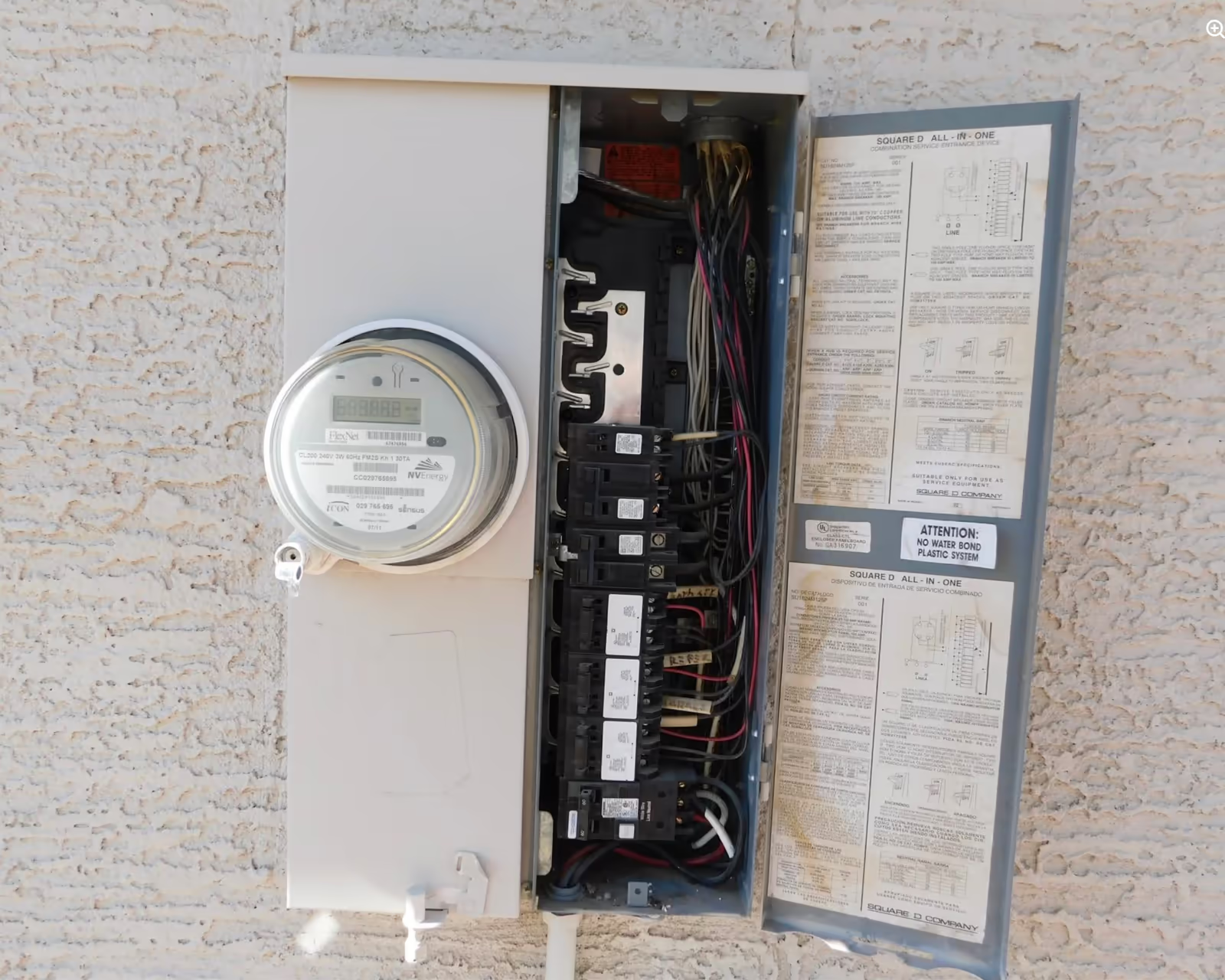
AFCI protection is usually provided by special breakers in the electrical panel, often with a TEST button on the breaker itself.
What a home inspection checks
During an inspection, outlets throughout the home are tested for proper wiring, and GFCI outlets are tested to confirm they trip and reset. The inspection notes:
- Missing GFCI protection in areas where it’s expected today.
- GFCI outlets that don’t trip or won’t reset, which should be replaced.
- Miswired outlets, such as reversed polarity or open grounds.
- The presence or absence of AFCI protection in the panel.
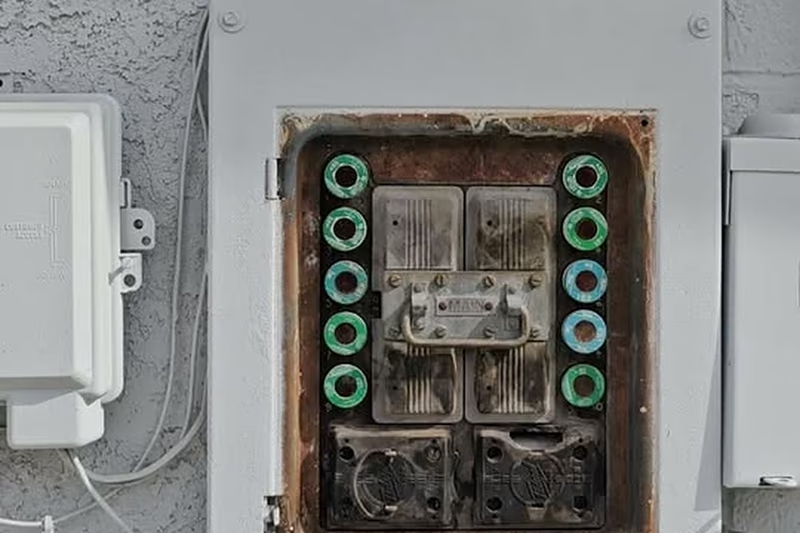
- General panel conditions, including double-tapped breakers, overheating, corrosion, and missing covers or knockouts. (Older homes may also have a fuse panel or a panel brand with known problems. See Older Electrical Panels in Las Vegas Homes.)
Keep in mind that code requirements change over time, and an existing home generally isn’t required to be updated just because the code changed. The report will still recommend upgrades where they improve safety, especially GFCI protection in wet areas, which is inexpensive to add.
How to test your own GFCI outlets
Manufacturers generally recommend testing monthly:
- Press TEST. The outlet, and anything downstream of it, should lose power. A plug-in nightlight makes this easy to see.
- Press RESET to restore power.
- If it doesn’t trip, or it won’t reset, have it replaced by a licensed electrician.
Where electrical safety shows up elsewhere
Pools are one of the most important places for GFCI protection. See what a pool and spa inspection covers. The garage is another, along with the fire door and garage door opener safety features covered in Garage Safety in Las Vegas Homes.
Common questions
How often should I test GFCI outlets?
Manufacturers generally recommend testing GFCI outlets monthly. Press the TEST button; power should cut off. Press RESET to restore it. If it doesn’t trip or won’t reset, have it replaced.
Does an older home have to be updated with GFCI and AFCI protection?
Existing homes generally aren’t required to be updated to current code just because the code changed. But adding GFCI protection in wet areas is an inexpensive safety upgrade that’s commonly recommended.