In most Las Vegas homes, the attached garage shares a wall and a door with the living space. It’s also where the cars, gasoline, paint, and yard chemicals live, and often where the water heater is installed. That’s why building codes treat the garage differently, and why a home inspection spends real time on it.
The door between the garage and the house
The door from the garage into the home is part of a fire separation. It’s meant to slow a garage fire from spreading into the living space long enough for people to get out. Under current residential codes, that door is typically required to be:
- Solid wood or solid-core, at least 1-3/8 inches thick; or
- Solid or honeycomb-core steel, at least 1-3/8 inches thick; or
- Fire-rated, with a label showing a 20-minute rating.
Newer codes also call for that door to be self-closing and self-latching, so it doesn’t get left open. Older homes may have been built before those requirements, but the safety reasoning applies to every house.
Common findings include hollow-core interior doors used in place of a proper door, self-closers that were removed or disconnected, doors that don’t latch, damaged doors, and pet doors cut through them.
The firewall and ceiling
The wall and ceiling between the garage and the house are also part of the fire separation, usually built with fire-resistant drywall. The inspection looks for things that compromise it:
- Holes and gaps from removed shelving, cabinets, or old wiring.
- Unsealed penetrations where pipes, ducts, or cables pass through.
- An attic access hatch in the garage ceiling that’s missing, damaged, or not properly fitted.
- Openings into the living space or attic that let smoke and fumes through.
Small holes are usually easy to repair with the right materials. The point is to know they’re there.
The garage door opener’s auto-reverse
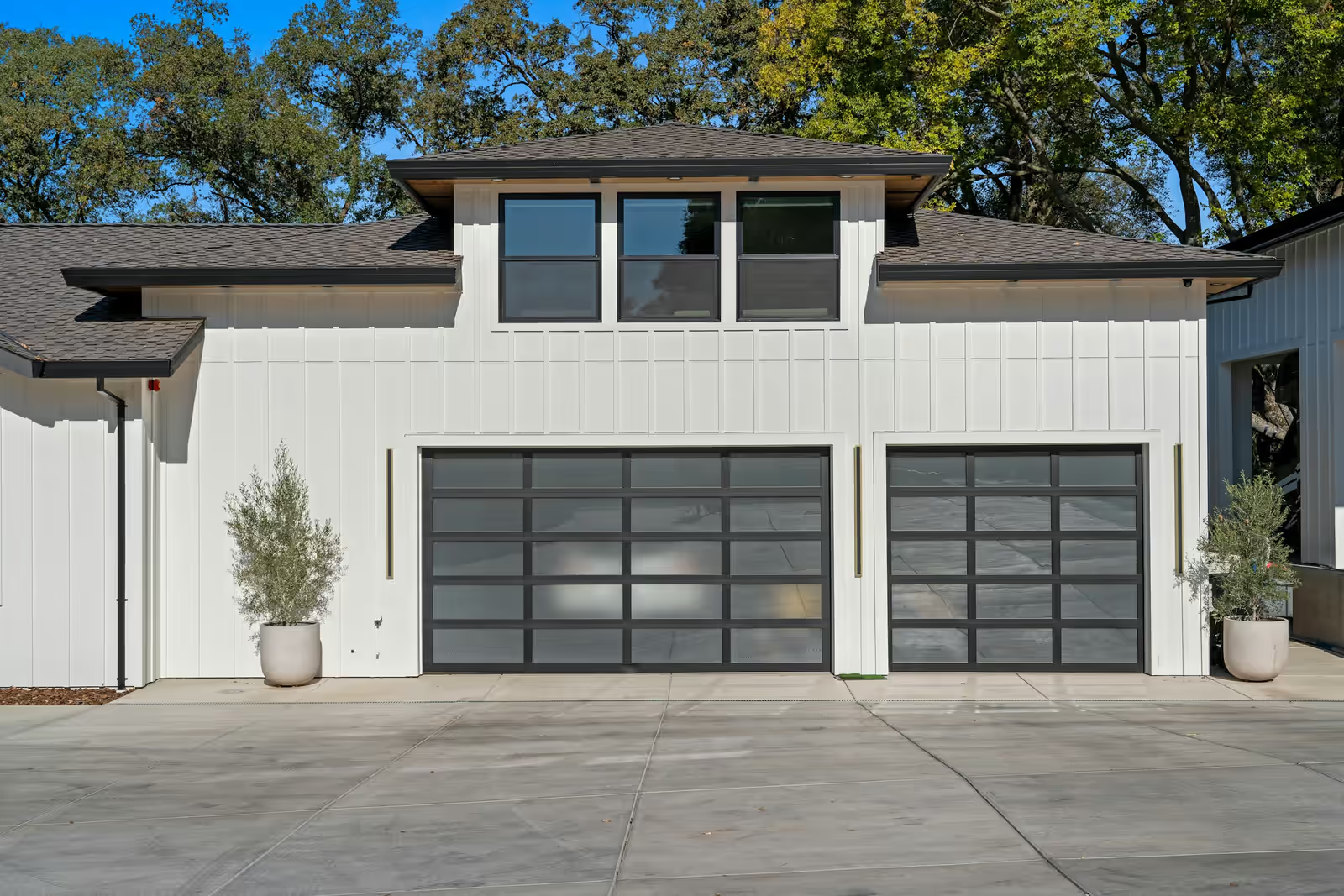
Automatic garage doors are heavy, and the openers have safety features to keep them from closing on a person, pet, or car. Since the early 1990s, residential openers have been required to include entrapment protection, typically:
- Photo-eye sensors near the bottom of the door opening that reverse the door if the beam is broken; and
- Contact reversal, which reverses the door if it meets resistance while closing.
The inspection tests both where the door can be operated. Sensors mounted too high, misaligned, or bypassed are common findings, as is a door that doesn’t reverse when it meets an obstruction. Worn springs, frayed cables, and damaged panels are also noted. Those should be handled by a garage door technician, not a homeowner, because the springs are under high tension.
Water heaters in the garage
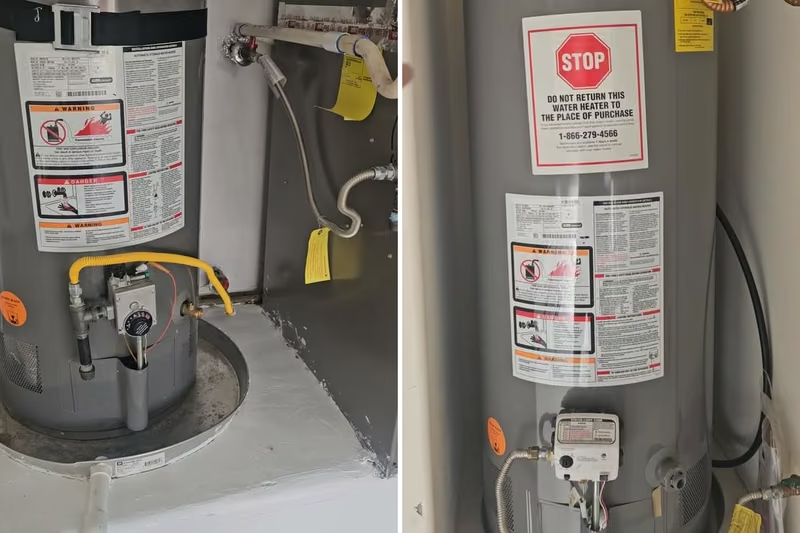
Many Las Vegas homes have their water heater in the garage. Because gasoline vapors are heavier than air and collect near the floor, gas water heaters in garages are generally required to be elevated or designed to resist igniting flammable vapors. The inspection also checks the items every water heater needs: seismic straps, a temperature and pressure relief valve with a properly routed discharge pipe, safe venting, and protection from vehicle impact. (More on water heaters in Gas Water Heater Safety and Hard Water in Las Vegas.)
Other garage items worth a look
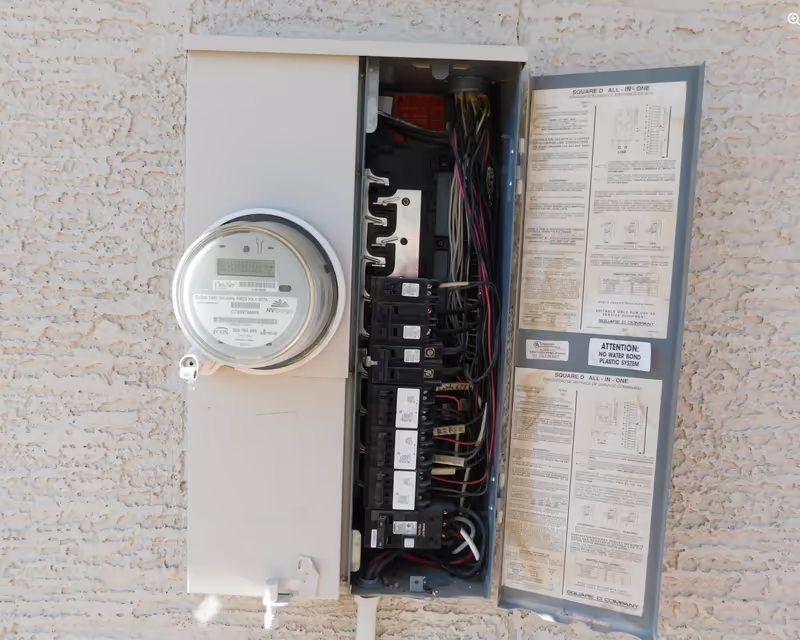
- Electrical: GFCI protection for garage outlets, and no extension cords used as permanent wiring. (See GFCI and AFCI protection.)
- Slab cracks: Most garage slabs have some cracking. Wide cracks, displacement, or cracks that line up with issues elsewhere in the house are worth a closer look.
- Converted garages: A garage turned into living space should have its own heating and cooling, proper egress, and permits.
None of this is exotic. The garage is simply where fire safety, heavy equipment, and fuel all come together, so it deserves a careful look before you move your family in.
Common questions
How do I test my garage door’s auto-reverse?
Lay a flat piece of wood, like a 2x4, on the floor where the door closes. When the closing door touches it, the door should stop and reverse. Also wave an object through the photo-eye beam while the door is closing; it should reverse. If either test fails, have a garage door technician adjust or repair it.
Can I add a pet door to the door between the garage and house?
Cutting a pet door into that door defeats its fire separation, which is the main reason the door is built the way it is. Keep that door solid and intact.