Stucco is the default exterior finish across the Las Vegas valley, and nearly every stucco home has cracks. Buyers often see them and assume the worst. Most of the time, they’re cosmetic. Sometimes they’re not. Knowing the difference is part of every exterior inspection.
Why stucco cracks
Stucco is a cement-based plaster applied over the home’s framing, and cement shrinks as it cures. After that, it lives in one of the most extreme temperature swings in the country, expanding in the summer sun and contracting at night. The framing behind it also moves slightly as wood dries and the house settles.
All of that means some cracking is expected, especially:
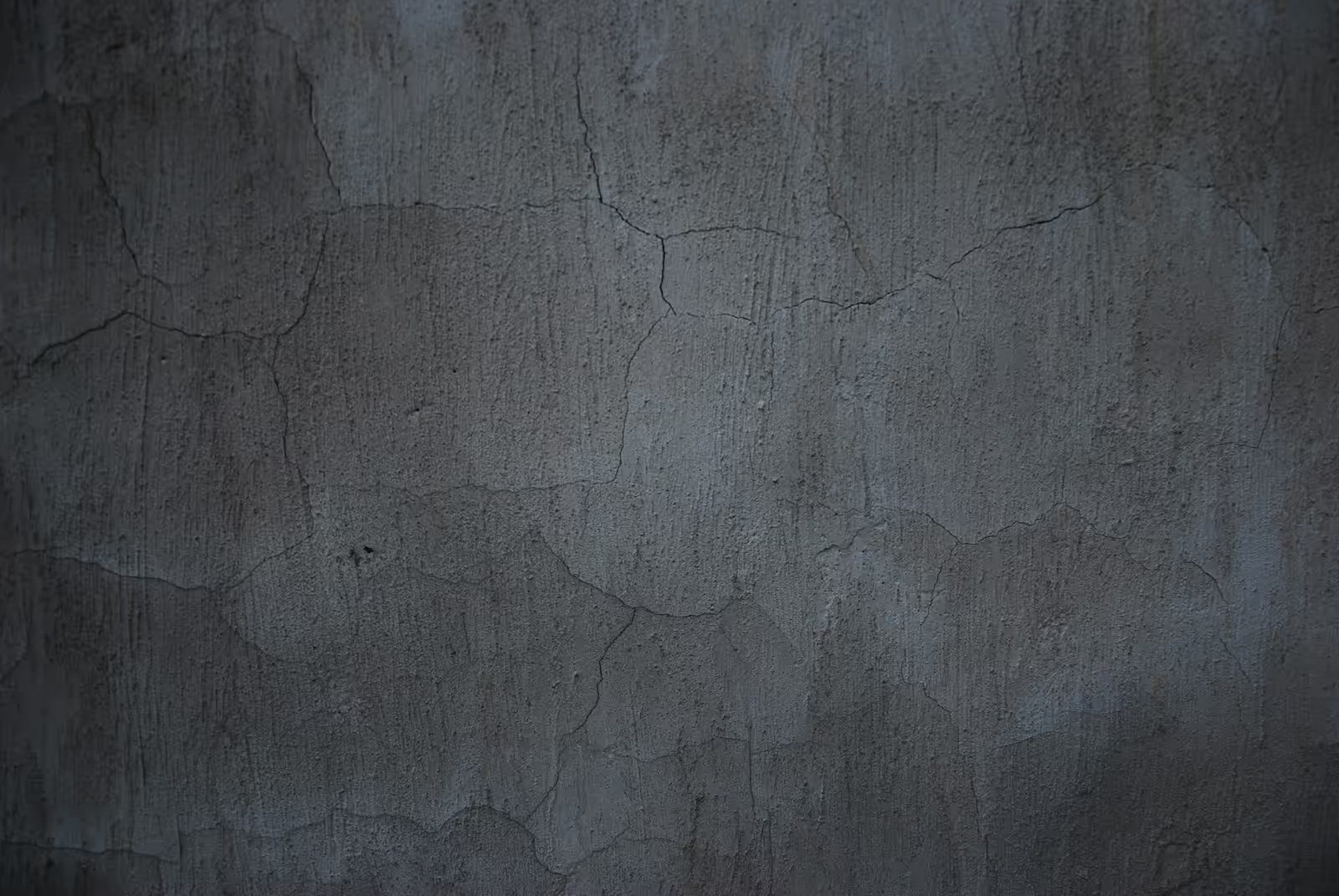
- Hairline cracks in a random or map-like pattern across a wall.
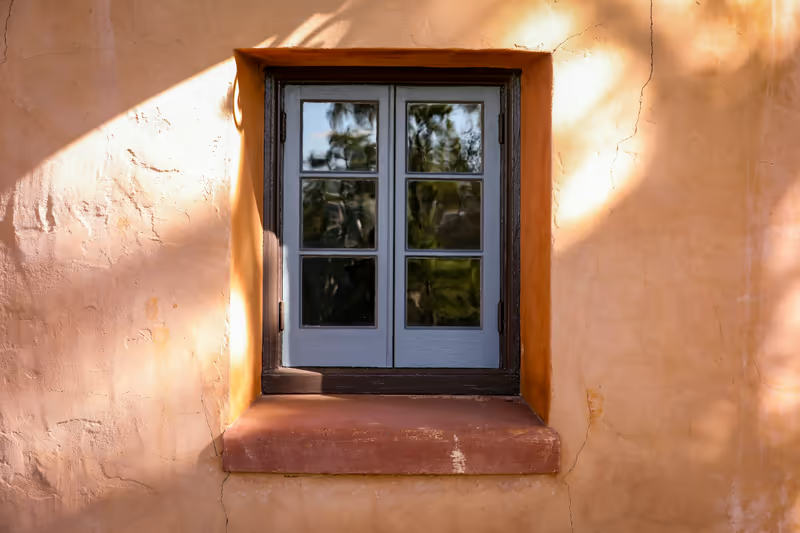
- Diagonal cracks at the corners of windows and doors, where stress concentrates in the wall.
- Cracks along joints where the stucco meets another material.
These are usually cosmetic. They’re still worth sealing with an appropriate elastomeric sealant or coating, because every crack is a path for water, and water behind stucco is what causes real damage.
When a crack is worth a closer look
The inspection looks at the size, pattern, and context of cracks, not just whether they exist. These are the signs that deserve more attention:
- Width. Cracks you can fit a coin edge into are more significant than hairlines.
- Offset. One side of the crack sitting out of plane with the other suggests movement, not just shrinkage.
- Stair-step or long continuous cracks running across a wall or down to the foundation.
- Bulging, hollow-sounding, or loose stucco, which can indicate water behind the finish.
- Staining, efflorescence (white mineral deposits), or damage near the bottom of the wall, a sign that water is getting in.
- Matching symptoms inside: doors that stick or won’t latch, cracked drywall above doors, or cracked floor tile in the same area.
Some parts of the Las Vegas valley have soils that shrink and swell with moisture, and some areas have experienced ground movement over the years. When cracks show patterns that suggest movement, the right next step is an evaluation by a structural engineer, not a guess.
Water is the real enemy
In a desert city it’s easy to forget about water. But most serious stucco problems in Las Vegas come from water that gets behind the finish, usually from three sources:
- Irrigation. Sprinklers and drip lines that spray or soak the base of the wall every day, often for a tree or shrub planted too close to the house.
- Monsoon storms. Wind-driven rain forced into cracks and around windows.
- Poor drainage. Soil or landscaping sloped toward the house instead of away.
The weep screed: a detail worth checking
At the bottom of most stucco walls is a metal strip called a weep screed. It lets any water that gets behind the stucco drain out. Building codes typically require it to sit at least 4 inches above soil or 2 inches above paved surfaces.
A very common finding in Las Vegas is a weep screed buried by landscaping rock, soil, or a raised patio. When that happens, water behind the stucco has nowhere to go, and the bottom of the wall and the framing behind it stay damp. It’s usually an easy fix: pull the landscaping back and restore the clearance.
What to do with stucco findings
- Hairline and corner cracks: plan to seal them as routine maintenance.
- Buried weep screed or irrigation spray: adjust landscaping and sprinklers.
- Wide, offset, or growing cracks, or signs of movement inside: have a structural engineer evaluate before your due diligence period ends.
- Stains, bulges, or soft areas: have a stucco contractor investigate for water intrusion.
Cracks around windows often come with window issues of their own. See Foggy Windows in Las Vegas Homes for what an inspector checks on the windows themselves.
Common questions
Are hairline stucco cracks a problem?
Usually not. Thin hairline cracks are common in stucco as it cures and moves with temperature changes. They’re worth sealing to keep water out, but they typically don’t indicate a structural issue.
When should a stucco crack be evaluated by an engineer?
When cracks are wide, offset so one side sits out of plane with the other, growing, or paired with signs of movement inside the home, like sticking doors or cracked drywall and tile. Those patterns warrant a structural engineer’s evaluation.