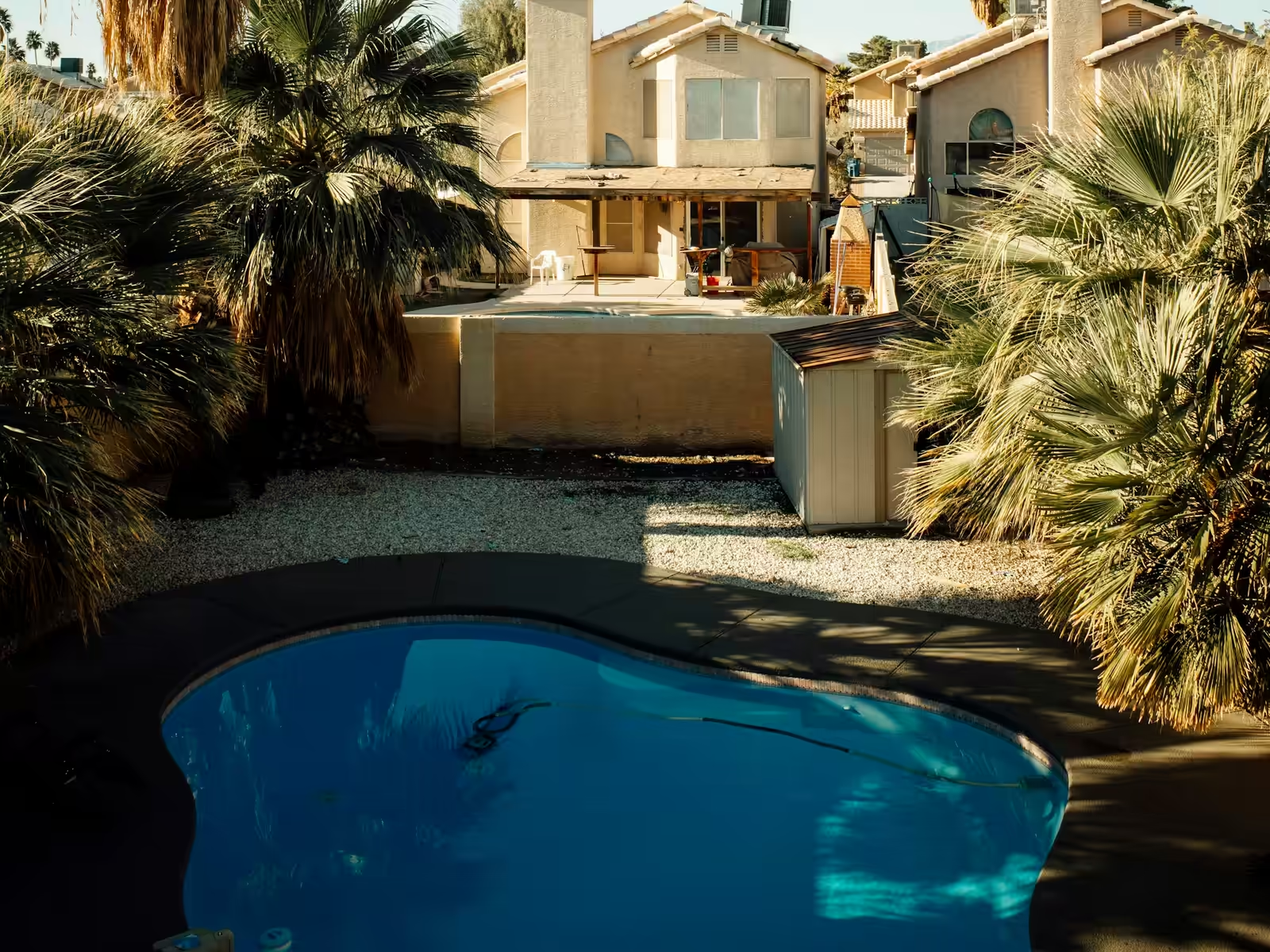
In Las Vegas, a backyard pool isn’t a luxury feature so much as a way to get through the summer. A lot of homes on the market have one, and many buyers want one. But a pool is a full mechanical system in its own right, with plumbing, pumps, electrical, heating, and a concrete shell, and it lives outdoors in intense sun, heat, and very hard water.
A general home inspection may treat the pool as an add-on or leave it out. Absher Home Inspections includes a pool and spa inspection, because in this market the backyard can hold as much repair risk as the kitchen.
What a pool and spa inspection looks at
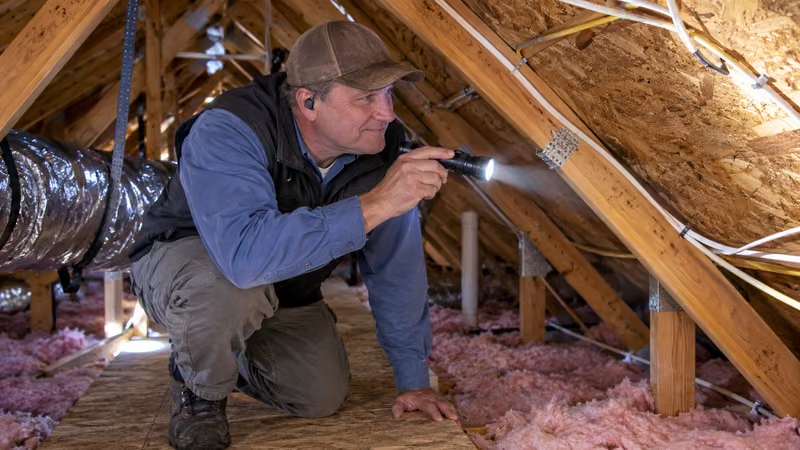
The inspection is visual and operational: we look at what can be seen and run what can be run safely. On a typical Las Vegas pool, that includes:
- The pool shell and finish. Plaster, pebble, or quartz finishes wear and stain over time. We look for cracks, rough or etched areas, delamination (hollow or peeling finish), and exposed or rusting rebar stains.
- The waterline tile and coping. Hard water leaves white calcium scale along the tile line; heavy buildup is common here. Loose or cracked coping stones and failed joints between the coping and deck are also noted.
- The deck. Cracks, heaving, trip hazards, and a deteriorated expansion joint between the deck and coping, which lets water get under the deck.
- The equipment pad. Pump, motor, filter, heater, valves, and automation. We run the equipment and look for leaks, unusual noise, corrosion, and cracked or sun-damaged plastic fittings.
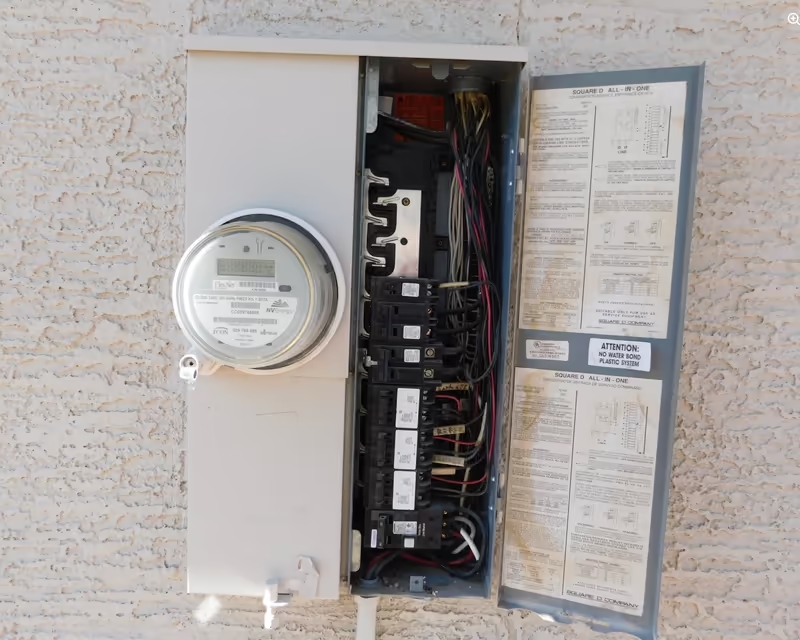
- Electrical safety. GFCI protection where it can be tested, the condition of visible wiring and conduit, the pool light, and the general safety of the equipment’s power supply.
- The spa. Jets, blower, heater operation, and the spillway or overflow between the spa and pool, where there is one.
- Barriers and safety. Gates that self-close and self-latch, fencing gaps, door alarms, and anything that makes the pool easy for a small child to reach unsupervised. Clark County sees far too many child drownings; barrier findings are some of the most important items in the report.
- Drain covers. Missing, cracked, or outdated drain covers are an entrapment hazard and should be corrected right away.
Problems we see often in Las Vegas
Sun-damaged equipment. Plastic valve housings, pump lids, and filter tanks become brittle after years of direct Nevada sun. They can crack under pressure without much warning.
Hard-water scale. Southern Nevada’s very hard water leaves scale on tile, in heaters, and on salt cells. Heavy scale on a heater’s heat exchanger lowers efficiency and can shorten its life.
Worn finish. Pool finishes don’t last forever, and water chemistry swings in summer heat speed up the wear. A rough, stained, or etched finish usually means a replaster is coming. That’s a significant cost you’ll want to know about in advance.
Possible leaks. Summer evaporation in Las Vegas is intense, so some water loss is normal. But a pool that needs frequent refilling, an auto-fill that runs constantly, damp soil near the equipment or plumbing, or cracks in the shell can all point to a leak.
What a pool inspection doesn’t do
A home inspector doesn’t pressure-test underground pool plumbing, dive to inspect the shell underwater, or evaluate the pool’s structural engineering. If the inspection turns up signs of a leak, significant cracking, or equipment that is failing, the next step is a licensed pool contractor or a leak-detection company. Ideally that happens before your inspection contingency ends, so you can make decisions with a real estimate in hand.
Good questions for the seller
- How old are the pump, filter, and heater? Are there service records?
- When was the pool last resurfaced?
- Has the pool ever been repaired for leaks or cracks?
- Who has maintained it, and how often? A pool service can often tell you a lot about the pool’s history.
A well-kept pool is one of the best parts of living in Las Vegas. A pool and spa inspection helps make sure the one you’re buying is an asset and not a surprise.