A little preparation makes a home inspection go smoothly and makes sure nothing gets left out because a gate was locked or the water was off. Here’s what buyers and sellers can do beforehand, and what to expect on inspection day.
For buyers: book early
Schedule as soon as your offer is accepted. Nevada purchase contracts give buyers a limited due diligence period to complete inspections. If the inspection turns up something that needs a specialist, such as a roofer, HVAC contractor, pool contractor, or structural engineer, you’ll want time to get that evaluation before your deadline. Check your contract for the exact number of days.
Mention the extras when you book. If the property has a pool or spa, is a manufactured home, or is new construction, say so when you call. It affects the scope and the time needed.
Plan for well and septic separately. On rural properties, especially around Pahrump, well water testing and septic evaluations are done by specialists. Line those up at the same time.
For sellers: make everything accessible
Most of what slows down an inspection is access. Before inspection day:
- Keep all utilities on. Water, electricity, and gas should be on, with pilot lights lit. Without them, the water heater, furnace, AC, and plumbing can’t be tested.
- Clear the attic hatch. In many Las Vegas homes it’s in a closet ceiling or the garage. Move stored items so a ladder can be set up underneath.
- Clear access to the electrical panel, water heater, and HVAC equipment, including the furnace or air handler and the outdoor AC unit.
- Unlock gates, sheds, and side yards, and leave pool equipment accessible and running normally.
- Leave remotes and codes for garage doors, community gates, and any locked areas.
- Secure pets, or plan for them to be out of the house.
- Clean out under sinks. Access to shutoff valves and drain lines under kitchen and bathroom sinks matters.
What happens during the inspection
A home inspection is a visual, non-invasive look at the home’s visible and accessible systems. Nothing is taken apart and no walls are opened. At a typical Las Vegas home, that means:
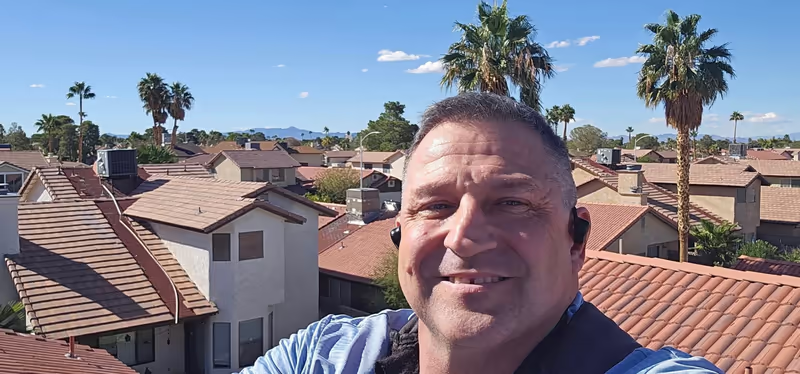
- The roof, walked where it can be done safely. (Why that matters on tile roofs.)
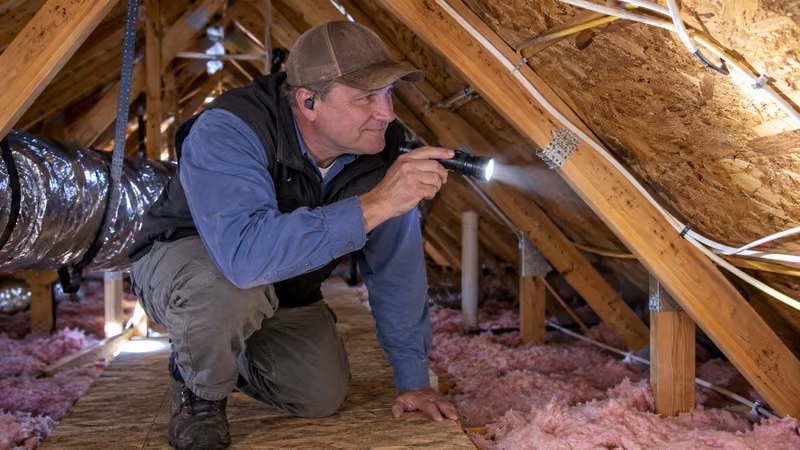
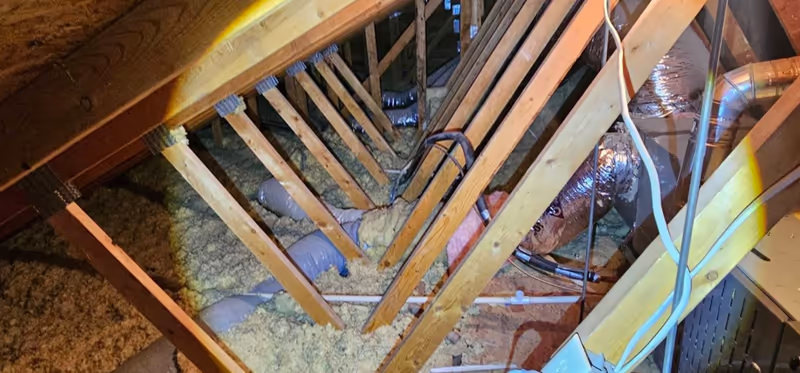
- The attic, entered where possible, for ductwork, insulation, and signs of leaks. (More on Las Vegas attics.)
- The exterior, including stucco, grading, drainage, windows, and doors.
- Plumbing, with fixtures run, the water heater checked, and water pressure measured.
- Electrical, including the service panel and outlets tested.
- Heating and cooling, operated when conditions allow. In cold weather, the AC may not be safely tested, and the report will say so.
- Built-in appliances, and thermal imaging to screen for moisture and hidden temperature anomalies.
- The pool and spa, when included.
Plan for several hours for a typical home. Larger homes, older homes, and properties with a pool take longer.
If you can, be there at the end
Buyers don’t need to follow the inspector room by room, but being there at the end is worthwhile. It’s the best time to see findings in person, ask questions, and learn where the main water shutoff, electrical panel, and HVAC filters are in your new home.
After the inspection: reading the report
Every home has findings, including new ones. (For what usually turns up, see The Most Common Problems Found in Las Vegas Home Inspections.) The report isn’t a pass/fail grade; it’s information. As you read it, sort the items into three groups:
- Safety issues and major defects, the items worth negotiating over or having a specialist evaluate before your deadline.
- Repairs and maintenance, the normal upkeep every home needs.
- Things to plan for, like an older AC unit or water heater that works today but is nearing the end of its life.
Then talk with your agent about your options: a repair request, a credit, a price adjustment, or simply planning ahead. If anything in the report is unclear, call. Understanding your inspection is part of the service.
Common questions
When should I schedule the inspection?
As soon as your offer is accepted. Nevada purchase contracts give buyers a limited due diligence period, and you’ll want time for any follow-up evaluations before it ends. Check your contract for the exact number of days.
Do the utilities need to be on?
Yes. Water, electricity, and gas should all be on, with pilot lights lit, so the plumbing, electrical, water heater, and heating and cooling can be operated and tested.
Is a home inspection pass or fail?
No. A home inspection documents the condition of the home’s visible and accessible systems. It isn’t a code inspection and there’s no pass or fail. The report helps you decide what to repair, negotiate, or plan for.
How do I schedule with Absher Home Inspections?
Call (702) 666-5732, Monday through Friday, 8am to 5pm. Inspections are by appointment.